


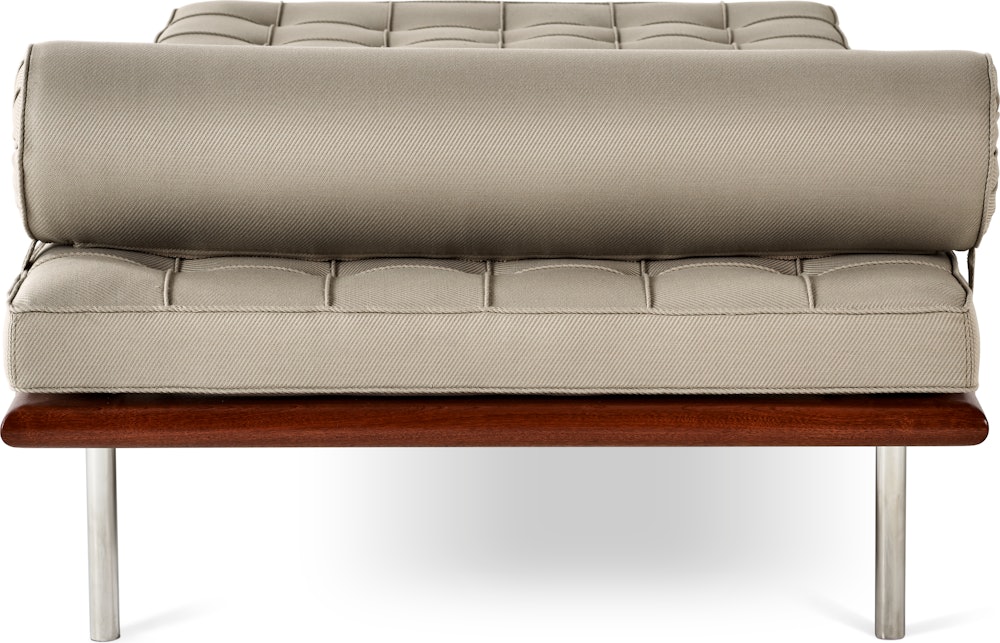


Maremma Suede -
Shipping + Delivery

Authenticity Guaranteed
This is an original, authentic Knoll product.

Complimentary Design Services
Transform your space with advice from our Design Specialists, included without charge. Get in touch
Warranty
5-year warranty
Terms and conditions apply. Learn more

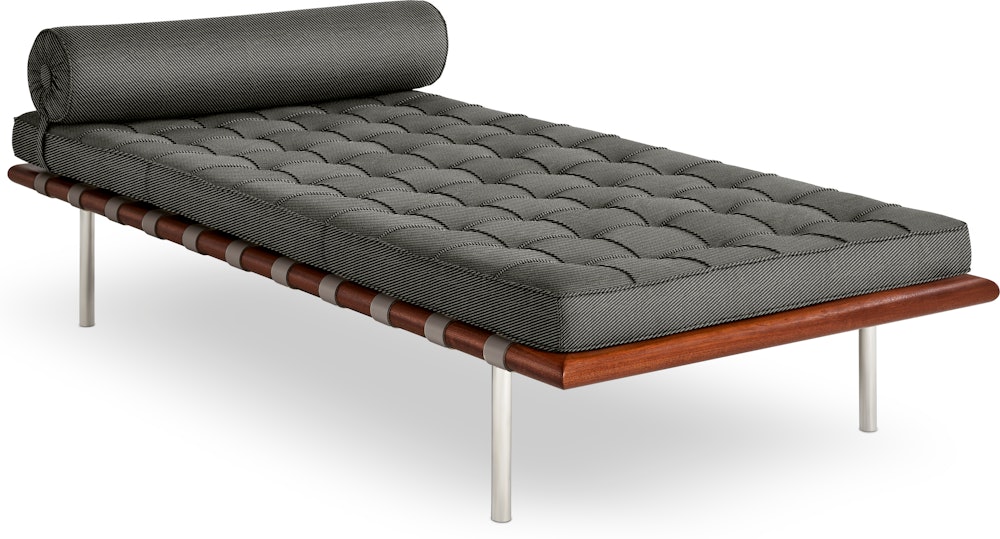
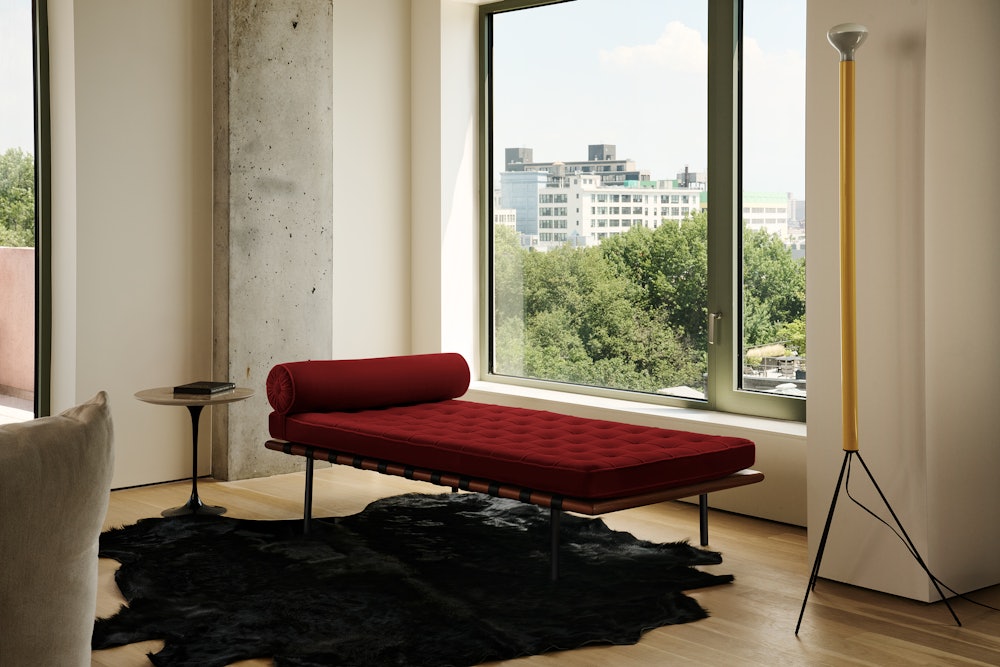
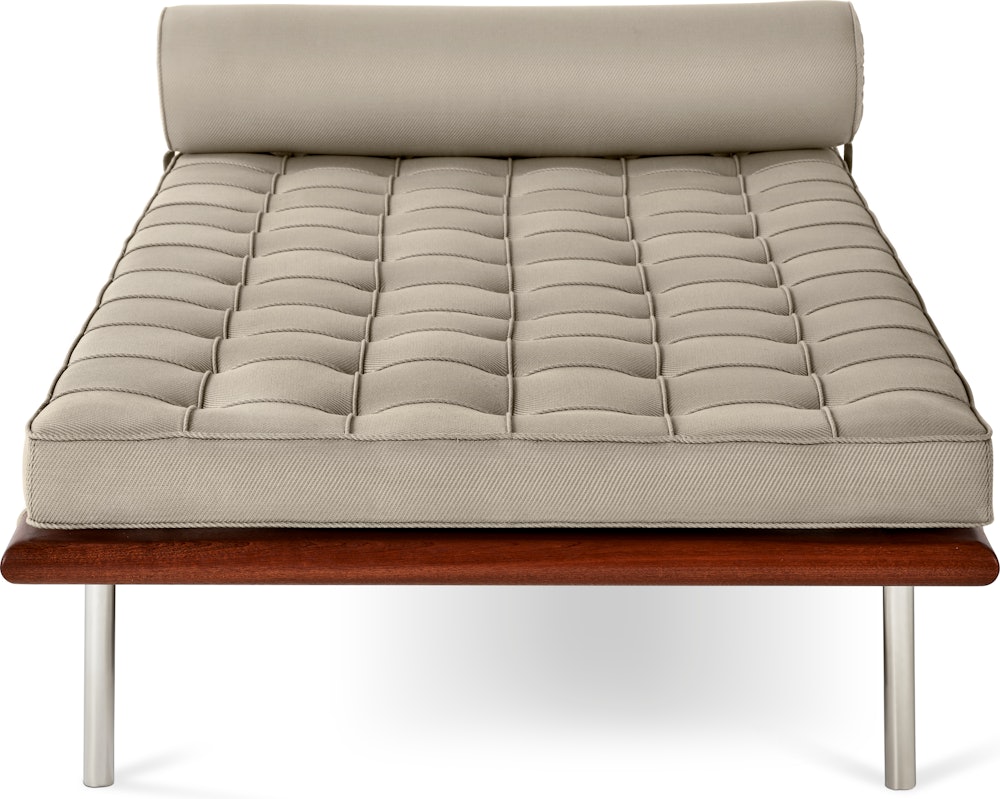
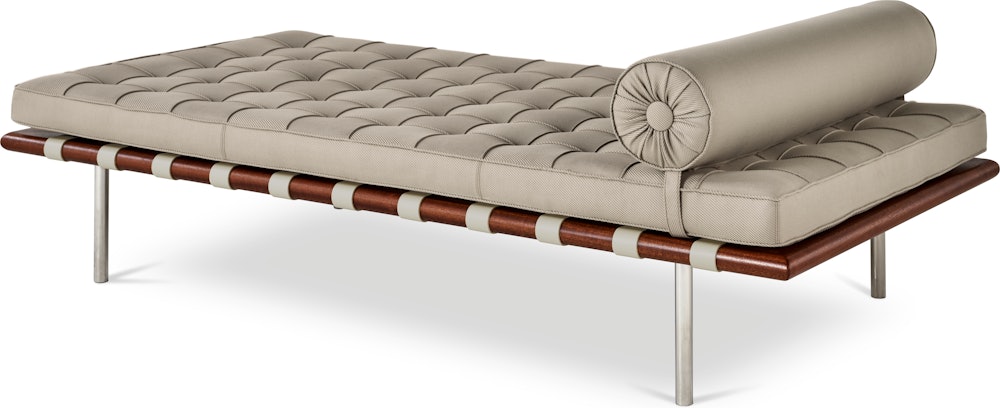
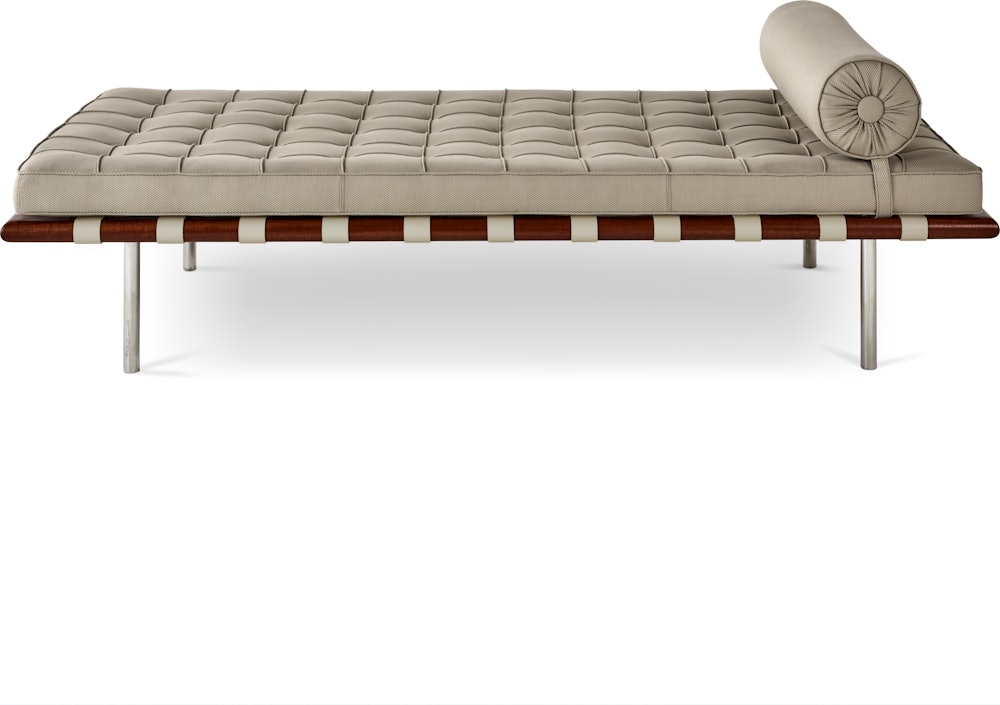
Barcelona® Couch, Fabric
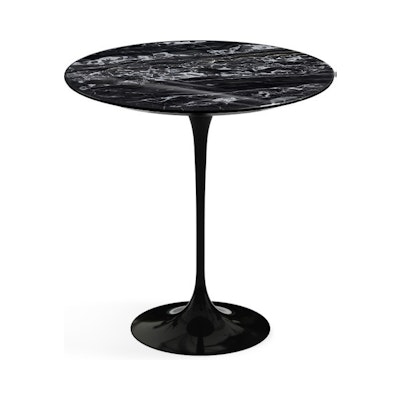
You May Also Need
Item Number:100491441


Designed to Sit Comfortably

Seat Softness
How plush or supportive are the cushions?


Seat Height
How short or raised off the ground is the seat?
- Available in leather, suede, or fabric, with polished or ultra-matte onyx legs.
- To create the cushion, 72 individual squares of leather, suede, or fabric are hand-welted and hand-tufted with buttons.
- Couch in leather: the squares all come from a single cowhide
- Belting leather straps with edges dyed to match are stretched over rubber webbing for cushion support.
- An Original Ludwig Mies van der Rohe Design: The frame is stamped with the Knoll logo and designer’s signature ensuring lifetime authentication.
- Designer
- Ludwig Mies van der Rohe
- Collection
- Barcelona Collection
- General Dimensions
-
- 25" H 39" W 78" D
- Product Weight
- 84 lbs
- Assembly
- Comes fully assembled
- Warranty
-
5-year warranty
Terms and conditions apply. Learn more
- Item No.
- 100662819

Barcelona Couch
- Height (in): 25
- Width (in): 39
- Depth (in): 78
- Seat Height (in): 15⅜
- Seat Width (in): 39
- Seat Depth (in): 78
- Leg Height (in): 15⅜
- Weight (lbs): 84
- Sapele Mahogany platform, finished with a protective clear lacquer
- Tubular stainless steel legs with polished or ultra-matte onyx finish
- Leather, suede, or fabric upholstery
- Premium quality, highly resilient urethane foam with down-like Dacron polyester fiberfill cushion
- Cowhide belting leather straps and rubber webbing for cushion support
- Notification of Filling Contents
Shipping Options
- In-Home Delivery
Return Options
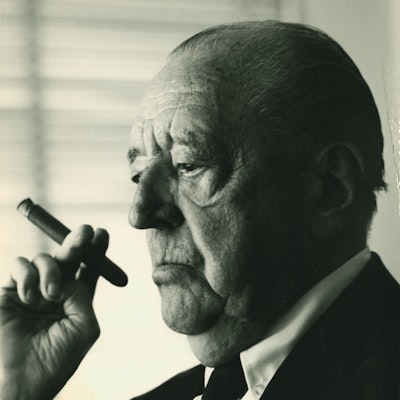
Ludwig Mies van der Rohe
A hugely influential figure in design history, Ludwig Mies van der Rohe brought a less-is-more approach to everything he designed, from furniture to skyscrapers. He taught at the Bauhaus and Illinois Institute of Technology (IIT), and was a trusted mentor to Florence Knoll. Mies’ buildings—including the Seagram Building, IIT Campus, and Farnsworth House—changed the face of American architecture.
More on Ludwig Mies van der Rohe